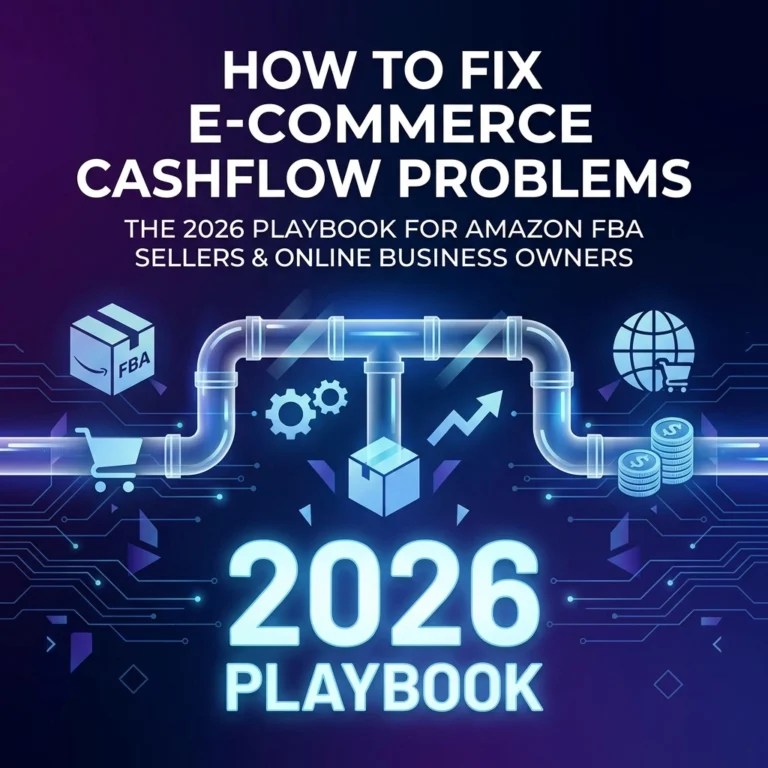
Running an Amazon FBA business or any e-commerce operation in 2026 comes with one universal headache: cashflow. You're selling products, customers are buying, revenue looks great on paper, but your bank account tells a completely different story.
Sound familiar?
If you're an Amazon FBA seller or e-commerce entrepreneur struggling to keep cash moving through your business, you're not alone. Ecommerce cashflow problems plague sellers at every stage, from scrappy startups to seven-figure operations. The good news? There are practical solutions that don't involve drowning in debt or giving up equity.
Let's break down exactly why your Amazon cashflow keeps getting stuck, and more importantly, how to fix it.
Why E-Commerce Sellers Face Constant Cashflow Crunches
Before we dive into solutions, let's understand the problem. Your Amazon business operates on a fundamentally challenging financial model:
You pay upfront, but get paid later.
Here's how the typical cashflow crunch unfolds:
- You purchase inventory 30-90 days before it sells
- Amazon holds your funds for an additional 14+ days after the sale
- Meanwhile, you need cash for the next inventory order, advertising, and operating expenses
- Your money is constantly tied up in products sitting in warehouses
This timing gap creates a vicious cycle. The more successful your Amazon FBA business becomes, the more inventory you need, and the worse your cashflow problems get.

The Hidden Costs Draining Your Amazon Cashflow
Beyond the obvious payout delays, several hidden factors quietly drain your ecommerce cashflow:
1. Inventory Overstock and Dead Stock
Every unsold product represents trapped cash. According to industry data, overstocking locks significant capital in products that aren't generating returns. If you're sitting on three months of slow-moving inventory, that's three months of cash you can't use for growth.
2. High Operating Costs
PPC advertising costs continue to climb. Storage fees add up. Shipping rates increase. These recurring expenses don't wait for your Amazon disbursements.
3. Chargebacks and Returns
Every return reverses your revenue without reversing the costs you've already incurred. For Amazon FBA sellers, high return rates can devastate monthly cashflow projections.
4. Seasonal Demand Swings
If your Amazon business relies on seasonal products, you face months of heavy spending followed by months of waiting for sales to materialize.
6 Proven Strategies to Fix Your E-Commerce Cashflow
Now let's get tactical. Here are six strategies that actually work for ecommerce financing and cashflow optimization:
1. Optimize Your Inventory Management
Stop guessing and start forecasting. Use historical sales data and market trends to predict demand accurately. The goal is maintaining just enough inventory to meet demand without tying up excess cash.
Key actions:
- Calculate your inventory turnover ratio monthly
- Identify and liquidate dead stock through flash sales or bundling
- Consider just-in-time ordering for stable products
- Prioritize high-margin, fast-moving products

2. Accelerate Customer Payments
For Amazon FBA sellers, you're somewhat limited here since Amazon controls the checkout process. However, if you sell through your own website or other channels:
- Offer multiple payment options including digital wallets
- Incentivize early payments with small discounts
- Automate invoicing for B2B customers
- Consider buy-now-pay-later options that pay you immediately
3. Negotiate Better Supplier Terms
Your relationship with suppliers directly impacts your Amazon cashflow. Strong relationships open doors to:
- Extended payment terms (net 30, net 60, or beyond)
- Volume discounts that improve margins
- Flexible ordering minimums during slow seasons
Pro tip: Build relationships before you need favors. Consistent orders and prompt payments give you negotiating leverage when cashflow gets tight.
4. Cut Operating Expenses Strategically
Every dollar saved on operations is a dollar that stays in your cash reserves. Focus on:
- Automating repetitive tasks with inventory management and accounting software
- Outsourcing non-core activities after careful cost-benefit analysis
- A/B testing marketing campaigns to eliminate wasteful ad spend
- Negotiating better rates with logistics providers

5. Diversify Revenue Streams
Relying solely on Amazon creates concentration risk. Consider:
- Expanding to additional marketplaces (Walmart, eBay, your own Shopify store)
- Launching complementary products that sell year-round
- Creating subscription offerings for predictable recurring revenue
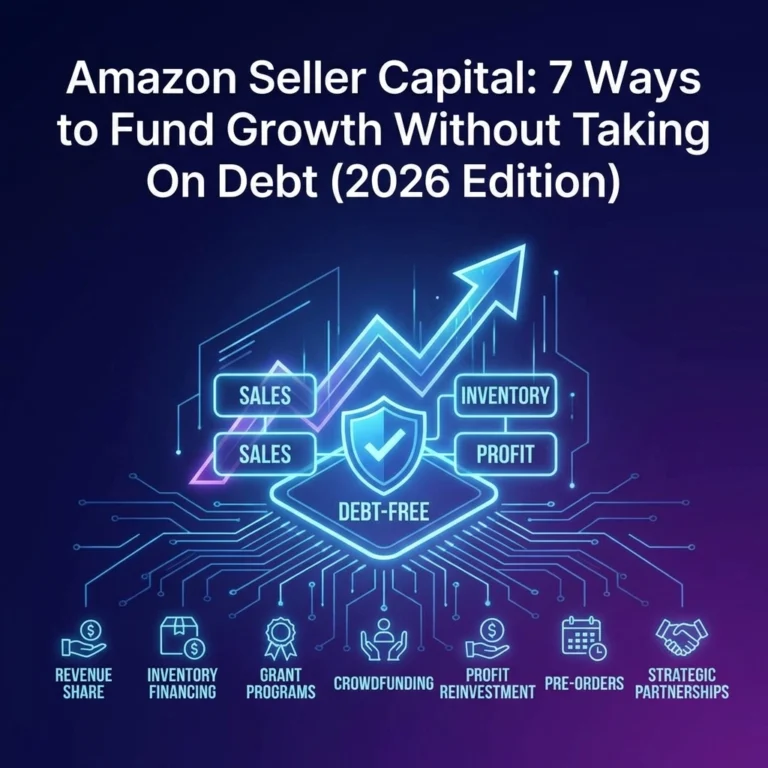
6. Access Capital Without Traditional Debt
This is where most amazon seller financing advice falls short. Traditional options like bank loans, lines of credit, or merchant cash advances all share one problem: they create debt and often carry high interest rates.
For Amazon FBA sellers looking to scale, debt-based financing can quickly become a trap. You borrow to fund inventory, pay interest while waiting for sales, then borrow more for the next order. The cycle continues until interest payments eat into your margins.
The CGX Solution: Trade Future Sales Rights for Instant Capital
Here's where things get interesting for your ecommerce investment strategy.
Consumer Goods Exchange (CGX) offers a fundamentally different approach to amazon seller financing. Instead of borrowing money and paying it back with interest, you can trade future sales rights for immediate capital.
How It Works
Think of it like this: your Amazon FBA business has predictable sales coming in. CGX allows you to trade the rights to a portion of those future sales to investors who want exposure to consumer goods performance. You get cash now; investors get returns based on your actual sales.
No debt. No high interest. No equity dilution.
This model solves the core ecommerce cashflow problem because:
- You receive capital immediately instead of waiting for Amazon payouts
- You're not taking on debt that compounds over time
- You retain full ownership and control of your business
- You can scale faster without the traditional financing burden
For investors, CGX provides unique opportunities to diversify portfolios with consumer goods: creating a win-win marketplace.
Why This Matters for Amazon FBA Sellers
Traditional amazon business funding puts you in a defensive position. You're constantly managing debt obligations while trying to grow.
CGX flips the script. By expanding without debt, you can:
- Fund larger inventory purchases during peak seasons
- Invest in marketing without worrying about repayment schedules
- Take advantage of supplier discounts for bulk orders
- Scale aggressively when opportunities arise
For seasonal sellers, CGX is particularly powerful. You can secure capital during peak seasons when you need it most: without the stress of loan payments during slower months.
How to Get Started with Better Cashflow Management
Ready to fix your ecommerce cashflow once and for all? Here's your action plan:
This Week:
- Audit your current inventory: identify dead stock and slow movers
- Calculate your average cash conversion cycle
- Review supplier payment terms and identify negotiation opportunities
This Month:
- Implement inventory forecasting tools
- Cut one unnecessary operating expense
- Explore alternative financing options beyond traditional loans
This Quarter:
- Diversify to at least one additional sales channel
- Visit uscgx.com to learn how trading future sales rights could unlock growth capital
- Build a 90-day cashflow projection and update it weekly
The Bottom Line
Amazon cashflow problems don't have to hold your business hostage. With strategic inventory management, optimized operations, and innovative financing solutions like CGX, you can break free from the constant cash crunch.
The difference between struggling Amazon FBA sellers and thriving ones often comes down to how they finance growth. Debt creates pressure. Trading future sales rights creates freedom.
Your Amazon business has real value: products that sell, customers who buy, revenue that flows. The question is whether you'll keep waiting for that cash to trickle in, or take control with smarter ecommerce financing strategies.
Ready to transform how you fund your e-commerce growth? Visit CGX today and discover a better way to turn your future sales into capital you can use right now.





3 Comments
unlocker
09 August 2026
unlocker.ai - The Ultimate AI Tool for Bypassing Restrictions and Unlocking Content Seamlessly!
ExoWatts
03 July 2026
Great content! Keep up the good work!
Gareth2277
24 April 2026
https://shorturl.fm/9x1oB